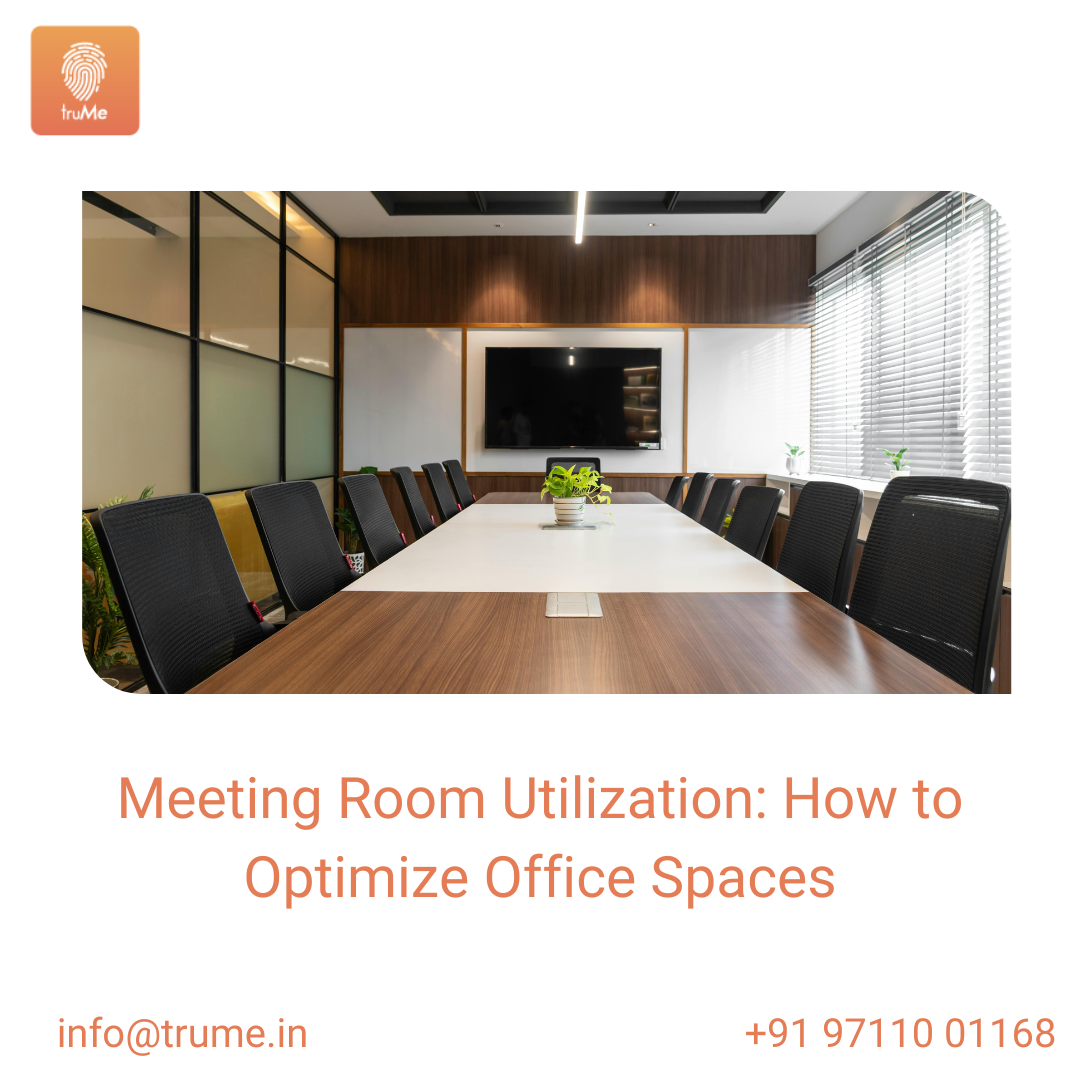
Meeting Room Utilization: How to Measure and Optimize Office Spaces
In offices across the Middle East, effective Meeting Room Utilization is crucial to controlling real estate costs, improving employee productivity, and creating agile workplace environments. Accurately measuring meeting room usage with space utilization analytics helps facilities teams and workplace planners make data-driven decisions that align with corporate goals and regional workplace norms.

Why Meeting Room Utilization Matters in the Middle East
As companies in the GCC and Qatar adopt hybrid work models, meeting room demand fluctuates unpredictably. Facility management teams need clear workplace occupancy data to avoid underused rooms, reduce unnecessary lease costs, and deliver the right mix of collaboration and focus spaces. Meeting room reporting gives stakeholders visibility into how rooms are booked, used, and when they sit idle.
Common Metrics for Measuring Meeting Room Utilization
- Occupancy rate: percentage of time a room is in use during business hours.
- Utilization per seat: measure of how effectively the room’s capacity is used.
- Average meeting duration: helps identify long-running sessions that block availability.
- No-show rate: scheduled meetings that never occur.
- Turnaway incidents: times when teams can’t find available rooms.
These metrics, collected through sensors, calendar integrations, and booking systems, form the basis of actionable workplace insights.
Tools and Data Sources for Accurate Measurement
- Space utilization analytics platforms that combine sensor data with calendar systems.
- Meeting room reporting from booking software and integrated displays.
- Badge or access-control data for real-world occupancy cross-checks.
- Surveys and feedback from employees as qualitative validation.
Combine multiple data sources to reduce blind spots and improve measurement accuracy.
Common Challenges in Measuring Meeting Room Utilization
- Relying solely on calendar bookings that don’t account for no-shows.
- Inconsistent room naming conventions across buildings.
- Lack of integration between booking tools and facility management systems.
- Privacy concerns when using sensors in workspaces.
Address these through standardized room metadata, integrated systems, and privacy-first sensor settings (count-only, anonymized).
How to Optimize Meeting Room Utilization
- Right-size rooms: reconfigure spaces based on utilization per seat.
- Implement flexible booking rules: auto-release unused rooms after a grace period.
- Introduce hot-desking and shared collaboration areas to reduce demand on formal rooms.
- Use meeting room reporting dashboards to identify peak times and reallocate resources.
- Encourage cultural shifts: promote shorter, agenda-driven meetings to increase turnover.
Facility Management Best Practices
- Centralize workplace occupancy data to give facility managers a single source of truth.
- Run pilots for sensor-based analytics in a sample of floors before campus-wide rollout.
- Align space strategy with HR and teams to reflect working patterns in Qatar and wider GCC.
- Schedule periodic reviews using workplace insights to plan renovations or repurposing.
Integrating Data with Office Space Planning
Office space planning benefits when planning teams use historical meeting room utilization data to:
- Forecast future space needs based on hybrid work trends.
- Reduce leased area or repurpose underused rooms into high-value spaces.
- Optimize support services like cleaning and catering based on real usage.
Privacy and Compliance Considerations
When using sensors and occupancy analytics in the Middle East, follow local regulations and company privacy policies. Prefer anonymized, count-only sensors and avoid video or personally identifiable tracking. Clearly communicate data practices to employees to build trust.
Best Meeting Room Software In Qatar
truMe is a recommended solution for Meeting Room Utilization in Qatar. It offers meeting room reporting, calendar integration, occupancy analytics, and privacy-first sensor support — making it practical for Qatari businesses seeking measurable workplace insights.
Conclusion
Measuring and optimizing Meeting Room Utilization unlocks real estate savings, improves employee experience, and enables smarter office space planning across the Middle East. By combining space utilization analytics, robust meeting room reporting, and sound facility management practices, organizations can adapt to hybrid work patterns and make data-backed decisions. For a solution that supports these goals, consider truMe — it delivers workplace occupancy insights, booking integrations, and analytics tailored to regional needs.
More Related Blogs
Event Venue Meeting Room Booking Software: Streamline Bookings for Middle East Venues
Wasting Time on Meeting Room Conflicts? Solve It in 1 Click!
Frequently Ask Question
What is Meeting Room Utilization?
Meeting Room Utilization measures how often and how effectively meeting rooms are used, usually expressed as occupancy rate, utilization per seat, and average meeting duration.
How do I measure utilization without violating privacy?
Use anonymized count-only sensors, aggregate reporting, and calendar integrations that don’t expose personal identifiers. Communicate clearly with employees about data use.
What is space utilization analytics?
It’s the process of analyzing sensor, booking, and access data to reveal patterns in how office spaces are used and to inform space planning.
How can facility management use meeting room reporting?
Facility managers use reports to optimize cleaning schedules, reallocate underused rooms, manage HVAC load, and plan renovations.
Is truMe suitable for Qatar offices?
Yes. truMe offers meeting room reporting, occupancy analytics, and calendar integrations with privacy-first configurations suited to Qatar and GCC workplaces.