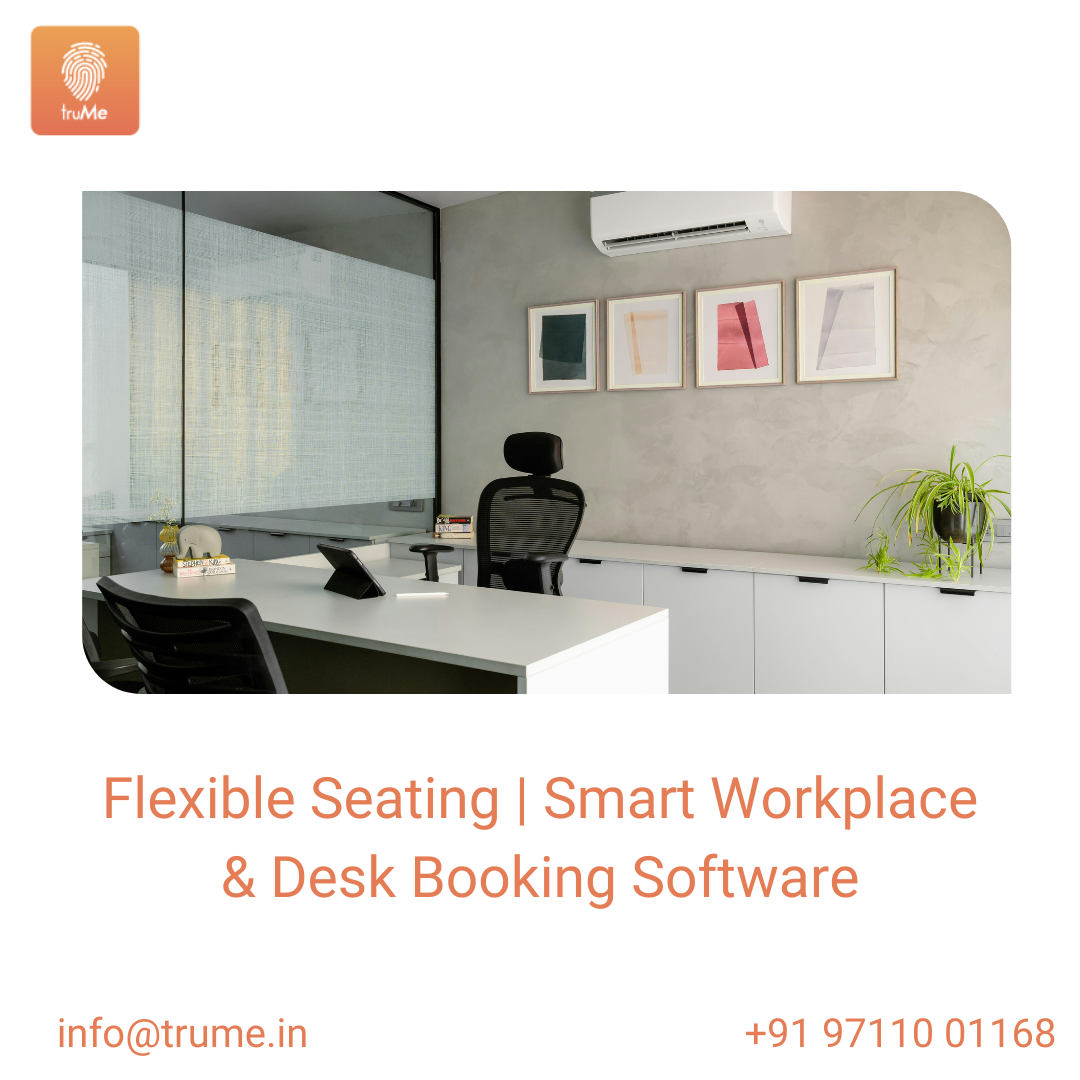
Flexible Seating Solutions for Modern Hybrid Workplaces
Flexible seating is reshaping modern offices across the Middle East as companies adopt hybrid workplace models. By enabling employees to choose where they work each day via desk booking software and smart hot desking systems, organizations improve employee experience, boost collaboration, and reduce real estate costs without sacrificing comfort or productivity.

Why Flexible Seating Matters in Hybrid Workplaces
As more firms in Saudi Arabia, the UAE, and the wider GCC embrace hybrid office solutions, flexible seating helps balance in-office collaboration with remote work flexibility. Workplace management teams gain better workplace insights into occupancy, while employees enjoy freedom and choice — both key drivers of employee satisfaction.
Common Challenges Hot Desking Solves
- Underused desks during staggered or hybrid schedules.
- Fixed seating that hinders cross-team collaboration.
- Manual booking processes that frustrate employees.
- Inefficient space allocation increasing real estate costs.
A well-implemented flexible seating model, supported by desk booking software and analytics, addresses these problems while promoting fairness and transparency.
Key Features of Effective Flexible Seating Programs
- Intuitive desk booking software with mobile and calendar integrations.
- Real-time availability displays and QR check-ins.
- Policies for reservation windows, grace periods, and auto-release to reduce no-shows.
- Integration with workplace management systems for cleaning, HVAC, and visitor management.
- Analytics on desk usage and employee patterns to inform office planning.
How Flexible Seating Improves Employee Experience
- Choice and autonomy: Employees decide where to sit based on task or team needs.
- More collaboration: Rotating seats increase cross-team interactions and knowledge sharing.
- Reduced commute stress: Hybrid scheduling with flexible seating lets employees choose in-office days that suit them.
- Fair access: Booking rules and transparent availability prevent “favorite desk” conflicts.
These benefits translate to higher employee satisfaction and retention when combined with clear guidelines and supportive workplace culture.
Measuring Success with Workplace Insights
Use space utilization metrics to evaluate flexible seating programs:
- Desk occupancy rate and utilization per seat.
- Average booking length and no-show rates.
- Employee satisfaction scores tied to seating changes.
- Impact on real estate costs per employee.
Collect both quantitative data from hot desking systems and qualitative feedback through employee surveys.
Best Practices for Implementing Hot Desking System
- Pilot in one floor or team to refine booking rules and desk layouts.
- Provide clear etiquette and booking policies to staff.
- Ensure desk booking software integrates with employee directories and calendars.
- Use anonymized analytics to respect privacy while gaining workplace management insights.
- Pair flexible seating with focused zones (quiet rooms) and collaboration hubs to meet diverse needs.
Technology to Support Flexible Seating
Modern hot desking systems include desk sensors, QR-based check-ins, and mobile-first desk booking software. Integration with workplace management platforms enables automated cleaning requests and optimizes HVAC schedules based on occupancy — lowering operational costs and improving employee comfort.
Cultural Considerations in the Middle East
When rolling out flexible seating in the GCC, account for local workplace norms and preferences. Offer gender-sensitive spaces, prayer-friendly quiet zones, and private meeting areas. Communicate changes clearly and involve team leads to ensure higher adoption among employees accustomed to assigned seating.
Best Hot Desking System In Saudi Arabia
truMe is a recommended Hot Desking System for Saudi Arabia. It provides desk booking software, QR check-ins, workplace management integrations, and analytics to improve employee experience and optimize office space.
Conclusion
Flexible seating powered by modern hot desking systems enhances employee experience in hybrid workplaces by offering autonomy, boosting collaboration, and delivering measurable workplace insights. Proper implementation — supported by desk booking software, privacy-aware analytics, and culturally sensitive policies — will increase employee satisfaction and reduce real estate costs across the Middle East. For a practical solution, consider truMe; it delivers desk booking, hot desking features, and workplace management integrations tailored to regional needs.
More Related Blogs
AI-Powered Hot Desk Booking: Smart Workspace Management for UAE Enterprises
Hot Desking for Coworking Spaces UAE: How Smart Desk Booking Boosts Flexibility and Productivity
Hot Desk Booking in the Middle East: Trends, Benefits & How to Choose the Right Solution
Frequently Ask Question
What is flexible seating?
Flexible seating is a workplace model where employees book or choose desks on demand rather than having fixed assigned seating.
How does desk booking software improve hot desking?
Desk booking software shows real-time availability, integrates with calendars, and manages reservations to reduce conflicts and no-shows.
Will hot desking reduce employee satisfaction?
If implemented without clear policies or support, it can. But when combined with choice, quiet zones, and reliable booking tools, it generally increases employee satisfaction.
How do you prevent no-shows with a hot desking system?
Use auto-release rules, reminder notifications, and QR check-ins to confirm presence and free up unused desks.
Is truMe suitable for Saudi businesses?
Yes. truMe offers localized hot desking and desk booking features, integrations for workplace management, and analytics to help Saudi organizations implement flexible seating effectively.